
"coffee in Arabia"
2000 article(s) found

Reunion is no longer the hometown of bourbon Arabica coffee beans.
Is no longer the hometown of bourbon Arabica coffee beans. In 1715, the first coffee trees (about 40) were transported from the Yemeni port of Moka to LaRunion, but unfortunately only two survived. By 1719, coffee plantations had begun to flourish and the first coffee beans were sold. Over the next few years, the government took a hard measure: the islanders, whether black or white,

The origin, history and culture of coffee beans
Africa is the hometown of coffee. The coffee tree is probably an atlas of coffee culture found in Ethiopia's KAFFA province. Later, batches of slaves were sold from Africa to Yemen and the Arabian Peninsula, and coffee was taken everywhere along the way. To be sure, Yemen started growing coffee in the 15th century or earlier. Although the Arabs have

Boutique Coffee Culture Arab Chiefs found Coffee
In 1258, Sheikh Omar, who was deported by his people for crime, was exhausted and hungry when he wandered to Vasaba (in Arabia). When he sat under the tree to rest, he saw a bird coming, pecking at the fruit on the branch, and then jumped up and down happily and tore his throat open to sing. The chief has never heard of such a wonderful bird.

Coffee history Arab sheikh discovers coffee
In 1258, Sheikh Omar, who was deported by his people for crime, was exhausted and hungry when he wandered to Vasaba (in Arabia). When he sat under the tree to rest, he saw a bird coming, pecking at the fruit on the branch, and then jumped up and down happily and tore his throat open to sing. The chief has never heard of such a wonderful bird.

Who found coffee? the Arab sheikh found coffee.
In 1258, Sheikh Omar, who was deported by his people for crime, was exhausted and hungry when he wandered to Vasaba (in Arabia). When he sat under the tree to rest, he saw a bird coming, pecking at the fruit on the branch, and then jumped up and down happily and tore his throat open to sing. The chief has never heard of such a wonderful bird.

He found coffee. The Arab sheikh found coffee.
In 1258, Sheikh Omar, who was deported by his people for crime, was exhausted and hungry when he wandered to Vasaba (in Arabia). When he sat under the tree to rest, he saw a bird coming, pecking at the fruit on the branch, and then jumped up and down happily and tore his throat open to sing. The chief has never heard of such a wonderful bird.

The Arab sheikh found coffee
In 1258, Sheikh Omar, who was deported by his people for crime, was exhausted and hungry when he wandered to Vasaba (in Arabia).
The Arab chieftain discovered coffee for the first time
In 1258, Sheikh Omar, who was deported by his people for crime, was exhausted and hungry when he wandered to Vasaba (in Arabia). When he sat under the tree to rest, he saw a bird coming, pecking at the fruit on the branch, and then jumped up and down happily and tore his throat open to sing. The chief has never heard of such a wonderful bird.

Arabian or Turkish coffee brewing
Arabian or Turkish coffee although coffee beans have spread from Arabia to the world, the Arab method of making coffee is less famous. The Arab method of brewing coffee is basically quite different from other methods of brewing coffee: traditionally, the Arab method is to brew the coffee three times. Coffee made in boiling water can easily boil off the aroma of coffee, but it is the most heavy-flavored coffee.

Origin of mocha coffee origin of mocha beans Yemeni coffee origin
Coffee beans from coffee hometown. Before the 6th century AD, Yemen was called Arabia, so coffee trees shipped from Yemen to other places were also called Arabian coffee trees. But the origin of these trees is Ethiopia, and the Dutch spread these coffee trees around the world. Dutch businessmen sailing eastward around the Cape of good Hope (TheCapeOfGoodHope)

Introduction to the taste production region of Tanzanian coffee beans with multi-layer flavor
Coffee growing area: African / Arabica Coffee species: medium mellow treatment method: washed Coffee description: soft and with bright acidity, medium concentration, multi-layered flavor, with both the aroma of raisins, but also spicy and sweet citrus fruit fresh flavor. Taste: citrus, sour fruit (grapefruit, lemon), raisins similar to coffee: Kenyan Coffee and Ethiopia
Description of flavor characteristics of coffee treated with El Salvador black honey
Country: El Salvador production area: Chara á n Fruit Grade: SHG treatment: black honey treatment altitude: 1400-1500m varieties: Pacas Pacas 2015 COE 12th 2014 COE 4th 2013 COE 4th active volcanic activity brings mineral-rich volcanic ash to the country, the soil mainly composed of volcanic ash has more minerals and less organic matter.

Coffee and the Pope?
From the 15th century coffee was grown extensively in Arabia, and the whole Muslim world enjoyed this so-called "gift of God." More and more Europeans exploring Arabia in the Middle East are curious and documenting the coffee story. Slowly Venetian merchants began to think about coffee re-export business.

A brief introduction to Yemeni mocha coffee
The oldest coffee in the world-- Yemeni mocha coffee

Discussion on the main producing areas of Industrial planting Variety treatment of Mocha and Matali Mattari in Yemen
Professional coffee knowledge exchange more coffee bean information please follow the coffee workshop (Wechat official account cafe_style) about Yemen Mocha and Matali Mattari [country overview] Yemen is located in the Middle East, with Saudi Arabia to the north, Oman to the east, the Red Sea to the west, the Arabian Sea to the south and the Gulf of Aden to the south; Yemen is still quite poor, receiving IMF assistance, and its main industries are still
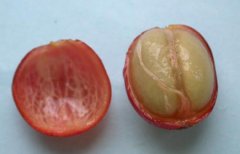
Arab magic "black water" black coffee
In the eighth century AD, a magical black water known as Qahwa was circulating in Arabia, which was said to restore strength, energy and no drowsiness. Avicina Ibn Sina (980-1037), a 10th-century Muslim philosopher and famous Iranian doctor, recorded a plant from Yemen called Bunchum, which is said to be something similar to coffee. as early as
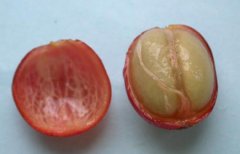
The Cultural Story of Coffee Development "Blackwater"
In the eighth century AD, there was a magical black water called Qahwa in the Arabian Peninsula, which was said to restore physical strength, exuberance, and no sense of purpose. The tenth century Muslim philosopher and Iranian doctor Avicina Ibn Sina,980-1037 recorded a plant from Yemen called Bunchum, which is said to be something like coffee. As early as

Yemen is the only coffee producing country in the Arab world.
Name of country profile: Yemen's GDP per capita: USD 1500 (2013) Location: Asia, Arabian Peninsula to the south, Saudi Arabia to the north, Oman to the northeast, Red Sea to the west, Gulf of Aden to the east and south

Left Bank Coffee Legend in Paris Seine left Bank Coffee is really on the left Bank of the Seine in Paris?
Professional coffee knowledge exchange more coffee bean information Please follow the coffee workshop (Wechat official account cafe_style) French writer Balzac once made famous remarks about coffee, and then in recent years in coffee advertisements also kept sending: I am not at home, in the coffee shop; not in the coffee shop, on the way to the coffee shop. Came to Paris, France, this invincible romantic city.
About Coffee World Map
COFFEE WORLD MAP Most coffee production areas are located between the Tropic of Cancer, that is, 25 degrees north of the equator and 30 degrees south of the equator in the tropics or subtropics. Areas with an annual average temperature of 16-25 degrees Celsius, frost-free and rainfall of 1600-2000 mm. At present, there are more than 70 major coffee producing countries, and the Greater China is located at an altitude of 300-400 meters.